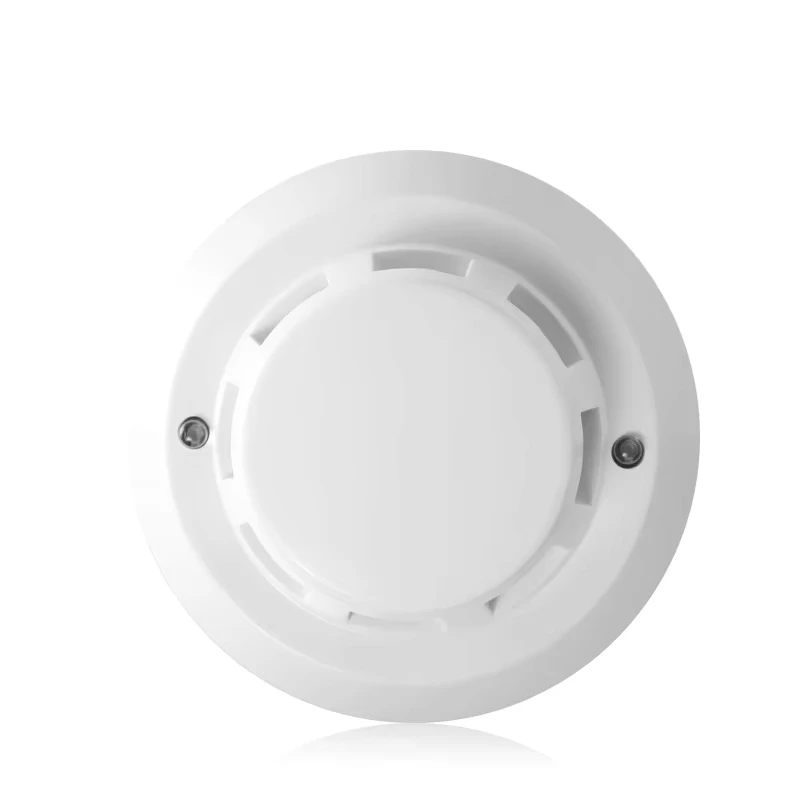

Explore practical emergency safety equipment for manual alerts, rapid egress and firefighter protection, with sourcing guidance for global buyers.
Effective emergency planning is not based on a single device. It follows a sequence: recognize danger, activate a warning, provide a clear escape route, and protect the responder entering the risk area. For importers, distributors, and project buyers, sourcing complementary equipment can simplify purchasing while supporting different stages of an emergency response plan.
From Manual Activation to Safe Egress
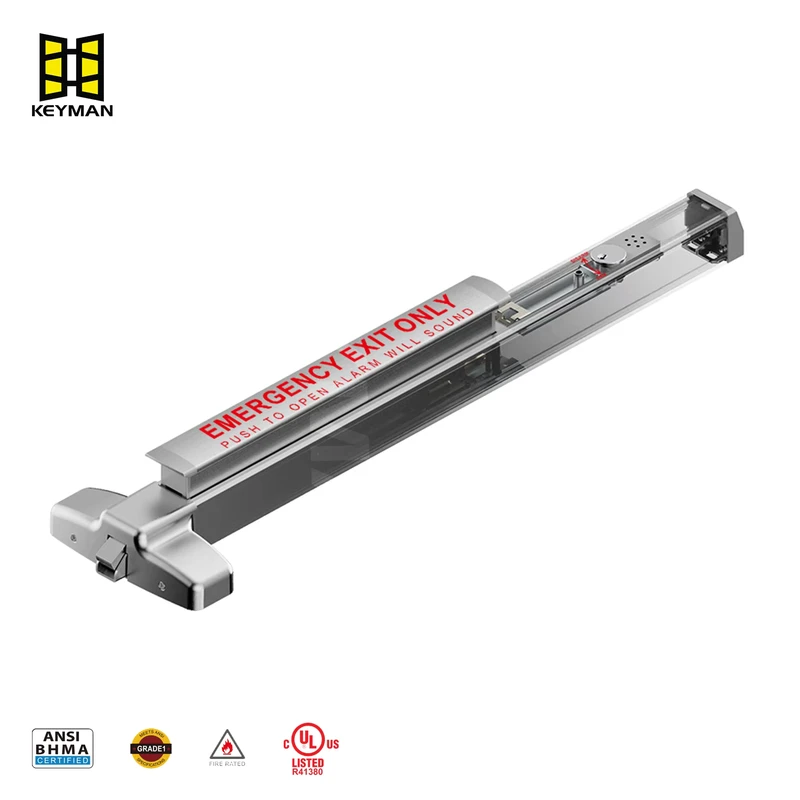
The wireless call point provides a visible manual activation option in an ABS housing. Its listed specifications include a vibration sensor, a 100–200 m detection range, wireless networking, and an audible barking alarm. Buyers should confirm the operating environment, wireless range conditions, and compatibility requirements before adding it to a local product portfolio.
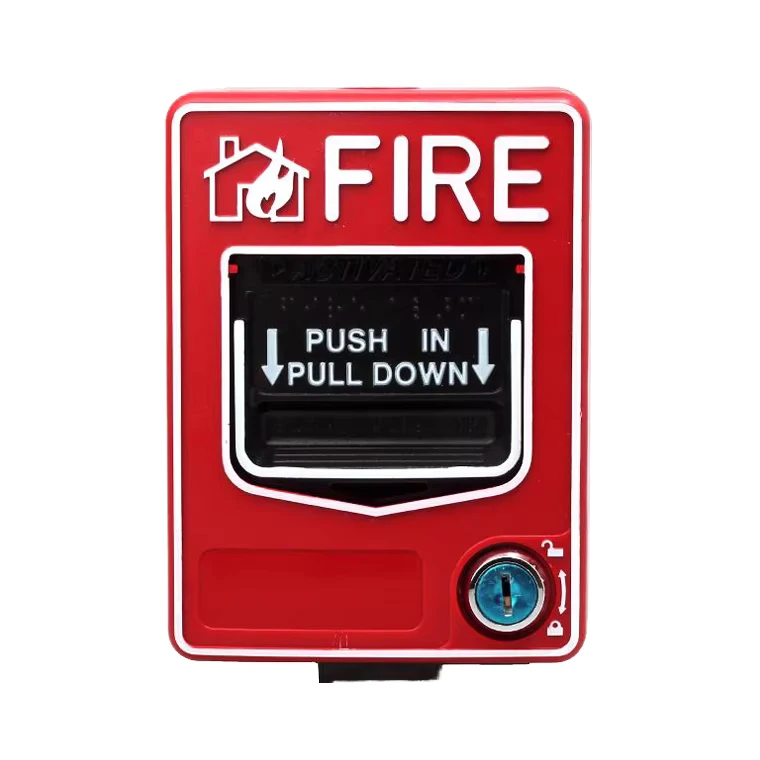
At the exit, the commercial panic bar supports rapid door opening in commercial emergency routes. It features a satin aluminum finish, key unlocking, and dimensions intended for a standard 3 × 7 ft door. Door construction, handing, local fire codes, and required certification documents should all be checked during specification.
Portable Protection for Responders
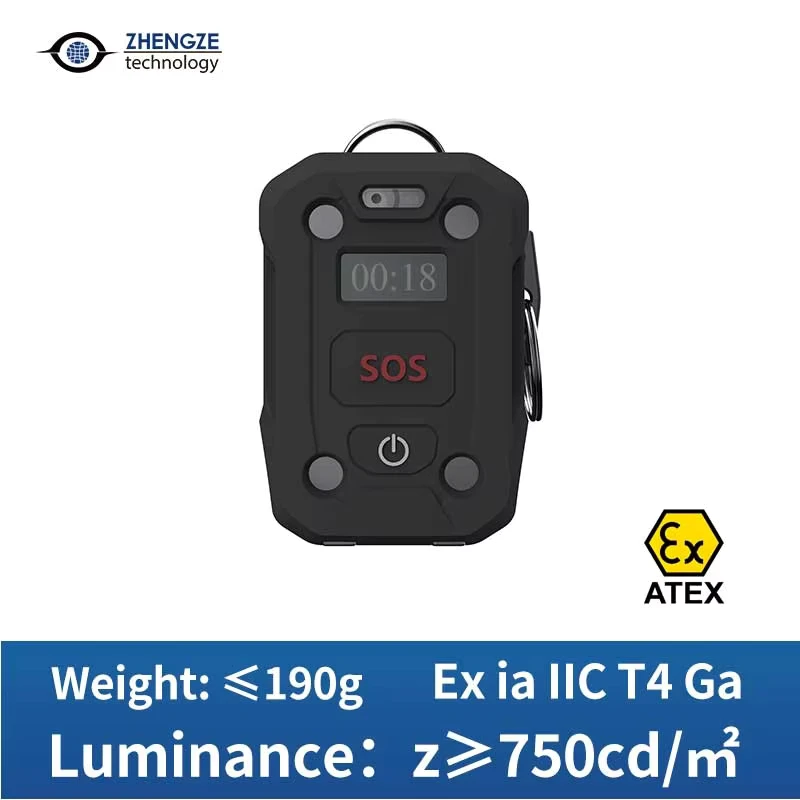
For fire and emergency rescue teams, the personal alert unit adds portable protection at the responder level. The device combines a durable PC body, IP68 waterproof protection, and up to 400 minutes of continuous rescue operation. Where ATEX compliance is required, purchasers should request current technical and conformity documentation for their target market.
Together, these products address alerting, evacuation, and responder safety without assuming that every application has the same requirements. Explore the wider fire alarm range, or send your destination market, quantities, and documentation needs for a focused quotation.