
Compare a wired photoelectric smoke detector, manual call point, and 200W vehicle siren for coordinated fire alert procurement.
Effective fire alerting is not based on one device alone. Detection, manual activation, and audible warning serve different stages of an emergency. For importers and project buyers, selecting compatible products for these roles can create a more practical portfolio for residential, commercial, and emergency-response applications.
Detection and Manual Activation
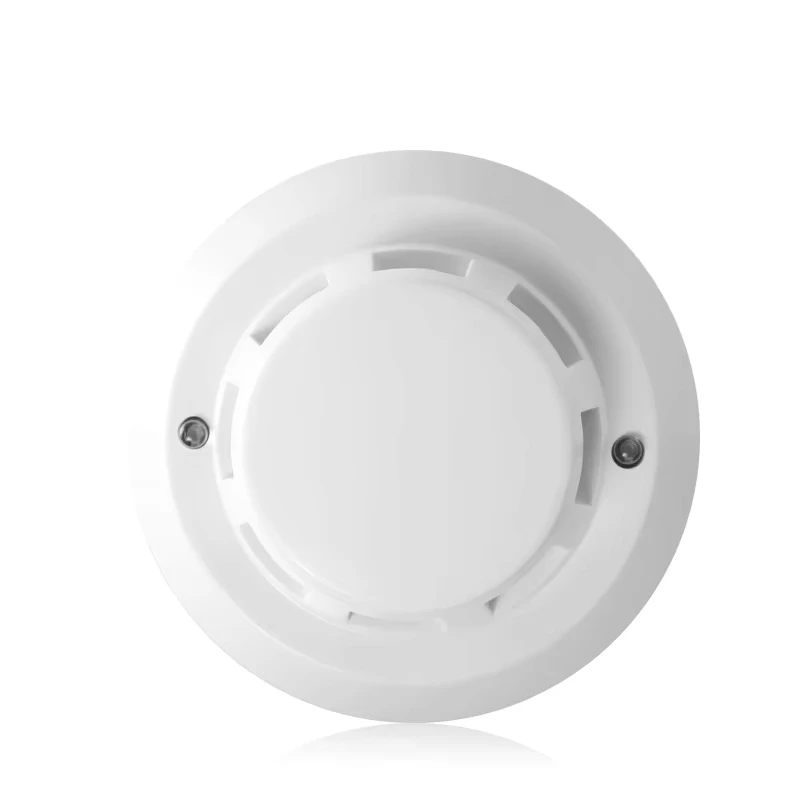
The wired smoke detector uses photoelectric sensing and operates on a 12–24V power supply. Its 85 dB alarm, low static current, white ABS housing, and optional NC or NO relay output support ceiling-mounted installations and integration with compatible control equipment. The stated operating range is -10°C to +50°C, with humidity up to 95% RH, and CE certification is available.
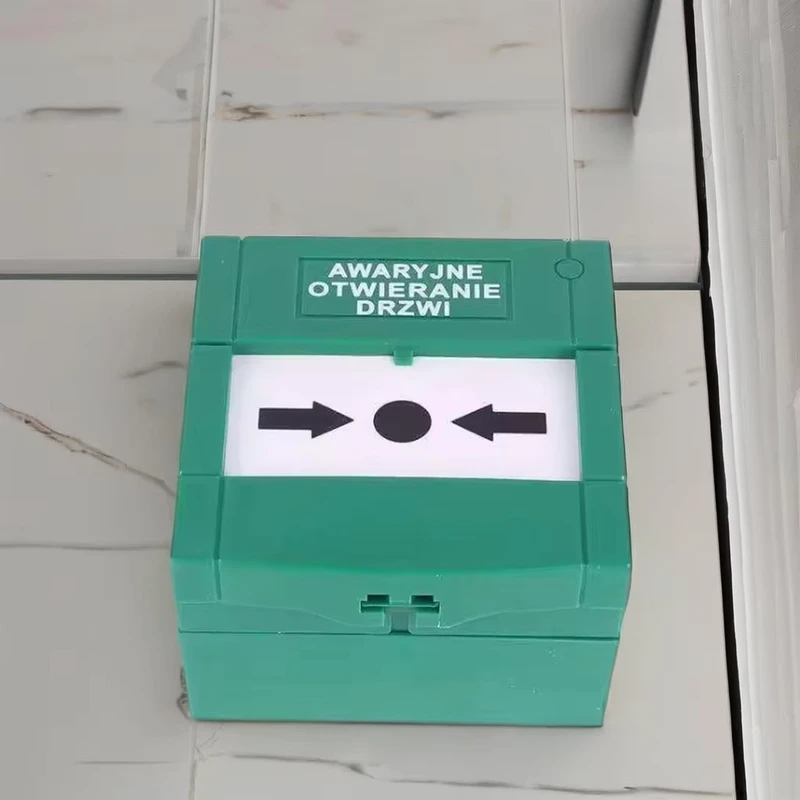
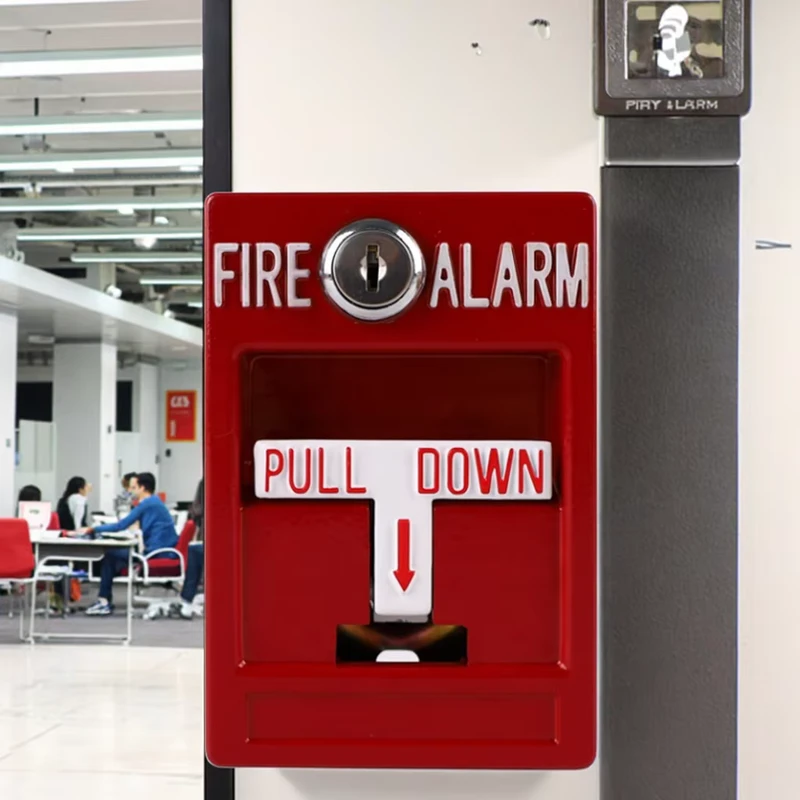
Automatic detection should be complemented by a clearly accessible way for occupants to raise an alarm. The manual call point provides a durable ABS enclosure for wired alarm configurations, with strobe-related functionality listed among its features. Buyers should confirm terminal design, panel compatibility, mounting method, and local installation requirements before ordering.
Extending Warnings Beyond the Building
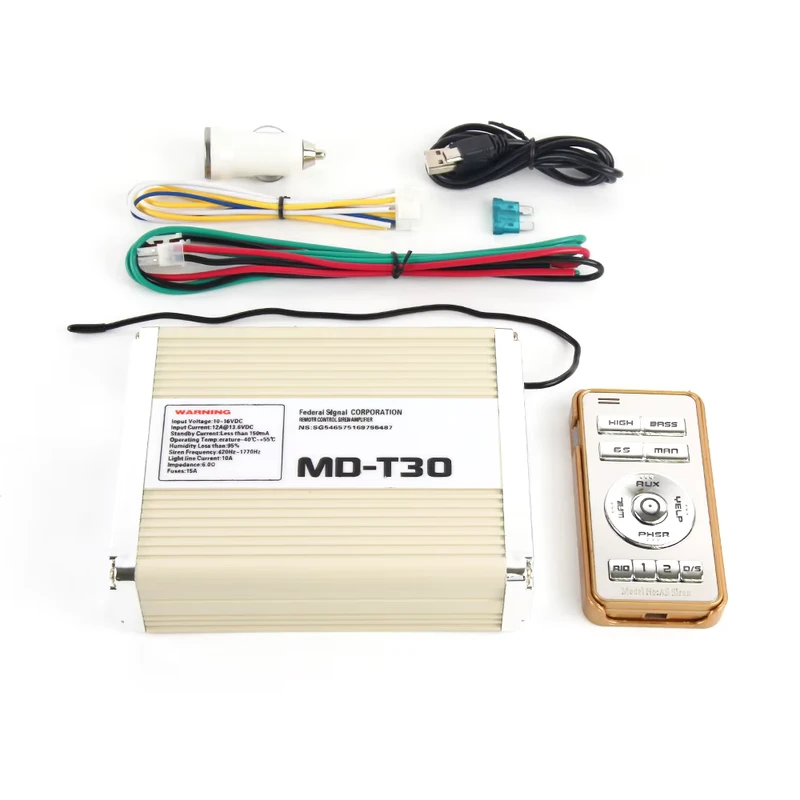
Emergency fleets require a different type of alerting. The 200W vehicle siren is a 24V aluminum tweeter designed for retrofit or upgrade projects involving fire engines, ambulances, and other response vehicles. Several impedance options are listed, including 4, 6, 8, and 11 ohms, making specification review important when matching the horn with an amplifier or PA system.
Procurement teams comparing fire alarm products should evaluate voltage, wiring logic, relay requirements, sound output, environmental limits, and destination-market standards as one coordinated checklist. For wholesale pricing, documentation, packaging options, or project-based product selection, contact us with your target application and required quantities.